Google, like Amazon, Might let Police See your Video with no Warrant
페이지 정보

본문
Posts from this matter might be added to your every day e mail digest and your homepage feed. Posts from this subject will likely be added to your daily e mail digest and your homepage feed. Posts from this matter will likely be added to your each day electronic mail digest and your homepage feed. Posts from this creator will likely be added to your day by day e-mail digest and your homepage feed. If you buy one thing from a Verge link, Vox Media could earn a fee. See our ethics assertion. Arlo, Apple, Wyze, and Anker, owner of Eufy, all confirmed to CNET that they won’t give authorities access to your smart residence camera’s footage unless they’re proven a warrant or courtroom order. If you’re wondering why they’re specifying that, it’s as a result of we’ve now learned Google and Amazon can do exactly the alternative: they’ll allow police to get this data and not using a warrant if police claim there’s been an emergency. And while Google says that it hasn’t used this power, Amazon’s admitted to doing it virtually a dozen occasions this 12 months.
 Earlier this month my colleague Sean Hollister wrote about how Amazon, the company behind the smart doorbells and security systems, will indeed give police that warrantless access to customers’ footage in those "emergency" conditions. And as CNET now factors out, Google’s privacy policy has an identical carveout as Amazon’s, that means regulation enforcement can access data from its Nest products - or theoretically another knowledge you retailer with Google - without a warrant. Google and Amazon’s information request insurance policies for the US say that generally, authorities will have to present a warrant, subpoena, or similar court docket order earlier than they’ll hand over information. This a lot is true for Apple, Arlo, Anker, and Wyze too - they’d be breaking the legislation if they didn’t. Unlike those corporations, although, Google and Amazon will make exceptions if a regulation enforcement submits an emergency request for information. Whereas their policies could also be comparable, it appears that the 2 companies comply with these sorts of requests at drastically completely different rates.
Earlier this month, Amazon disclosed that it had already fulfilled eleven such requests this 12 months. In an electronic mail, Google spokesperson Kimberly Taylor instructed The Verge that the company has never turned over Nest data during an ongoing emergency. If there's an ongoing emergency where getting Nest data could be crucial to addressing the issue, we're, per the TOS, allowed to send that data to authorities. ’s essential that we reserve the right to take action. If we reasonably believe that we are able to stop somebody from dying or from suffering serious bodily hurt, we may present info to a government agency - for example, in the case of bomb threats, college shootings, kidnappings, suicide prevention, and lacking persons instances. An unnamed Nest spokesperson did tell CNET that the company tries to provide its customers discover when it supplies their information beneath these circumstances (although it does say that in emergency cases that notice could not come except Google hears that "the emergency has passed"). Amazon, alternatively, declined to tell both The Verge or CNET whether it would even let its users know that it let police access their movies.
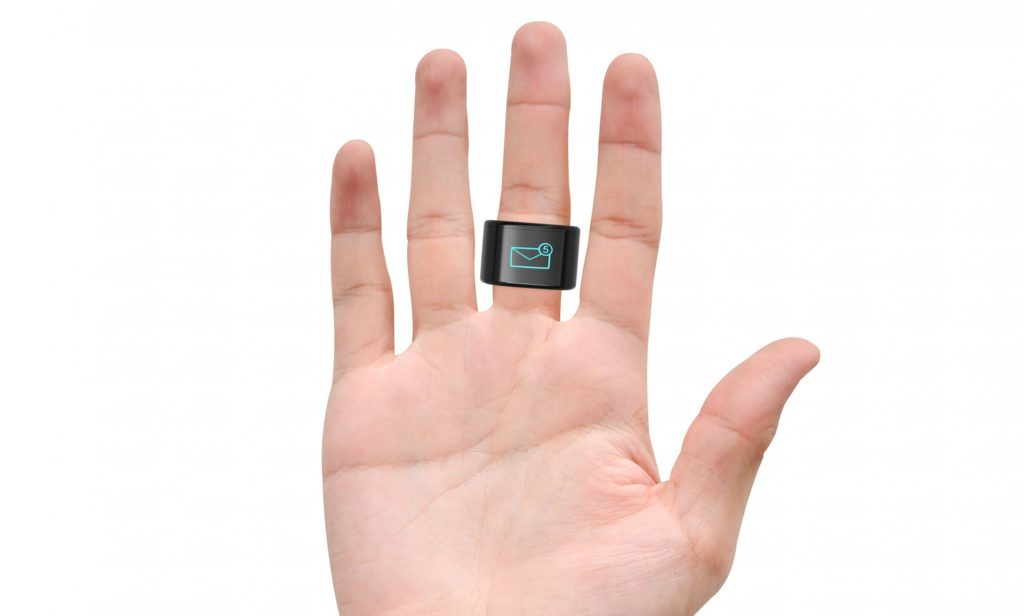
Legally speaking, an organization is allowed to share this sort of information with police if it believes there’s an emergency, but the laws we’ve seen don’t pressure companies to share. Perhaps that’s why Arlo is pushing back against Amazon and Google’s practices and suggesting that police should get a warrant if the state of affairs actually is an emergency. "If a scenario is pressing enough for legislation enforcement to request a warrantless search of Arlo’s property then this case additionally should be urgent enough for regulation enforcement or a prosecuting lawyer to as a substitute request a right away listening to from a choose for issuance of a warrant to promptly serve on Arlo," the corporate told CNET. Some corporations declare they can’t even flip over your video. Apple and Anker’s Eufy, in the meantime, claim that even they don’t have entry to users’ video, because of the truth that their systems use finish-to-finish encryption by default. Regardless of all of the partnerships ring fitness monitor has with police, you'll be able to activate finish-to-end encryption for a few of its merchandise, although there are numerous caveats.
For one, the function doesn’t work with its battery-operated cameras, that are, you already know, pretty much the factor all people thinks of once they consider Ring. It’s also not on by default, and it's important to give up a couple of options to use it, like utilizing Alexa greetings, or viewing Ring movies on your laptop. Google, in the meantime, doesn’t provide end-to-end encryption on its Nest Cams final we checked. It’s worth stating the obvious: Arlo, Apple, Wyze, and Eufy’s policies round emergency requests from law enforcement don’t essentially mean these corporations are keeping your information protected in other ways. Last year, Anker apologized after a whole bunch of Eufy customers had their cameras’ feeds uncovered to strangers, and ring fitness monitor it recently came to mild that Wyze failed did not alert its customers to gaping safety flaws in some of its cameras that it had known about for years. And while Apple may not have a strategy to share your HomeKit Safe Video footage, it does comply with different emergency information requests from law enforcement - as evidenced by reports that it, and different firms like Meta, shared buyer information with hackers sending in phony emergency requests.
- 이전글What's The Current Job Market For Railroad Settlement Kidney Cancer Professionals? 25.12.23
- 다음글비아그라 구매 시 주의해야 할 점은 뭘까요? 25.12.23
댓글목록
등록된 댓글이 없습니다.