The 10 Scariest Things About Machine Set
페이지 정보

본문
Understanding Machine Set: A Comprehensive Guide
Introduction
In today's digital age, the integration of machines into various markets has changed the way companies run. From producing to health care, devices play a critical role in enhancing effectiveness, precision, and productivity. Among the lots of ideas associated with the combination of machinery into workflows, "machine set" stands apart as an essential aspect that calls for deeper understanding. This post checks out the meaning of machine set, its applications, benefits, and obstacles, along with a thorough FAQ section to clarify common inquiries surrounding this subject.
What is Machine Set?
Machine set describes a specific configuration of machinery and tools that are arranged and adjusted to carry out a series of jobs within a specified process. This setup is crucial in manufacturing, where various machines might collaborate in a sequence to produce an end product. It includes selecting the right machines, configuring them correctly, and guaranteeing they communicate with each other efficiently.
Table 1: Key Components of a Machine Set
| Component | Description |
|---|---|
| Machine Type | The particular type of machine utilized (e.g., CNC, lathe) |
| Tooling | The needed tools required for operation |
| Calibration | Modifications made to ensure accuracy and precision |
| Software application Integration | Programs handled to manage the makers |
| Operator Input | Training and standards for operators interacting with the set |
Applications of Machine Set
Machine sets have a wide array of applications throughout various sectors. Here are some common examples:
Manufacturing: In vehicle and aerospace industries, machine sets consist of different machines that collaborate to manufacture elements with high precision.
Food Processing: In the food industry, machine sets are used to automate procedures like cutting, blending, and product packaging, increasing efficiency while preserving safety requirements.
Health care: In hospitals, machine sets may be utilized in laboratories for screening samples or in surgical units where surgical robots operate in tandem with human operators.
Construction: Heavy machinery, such as excavators and cranes, can be seen as machine sets, frequently collaborating for specific jobs, such as digging or lifting.
Fabric Industry: Flat knitting machines set in synchronization can produce complicated style patterns in clothing production.
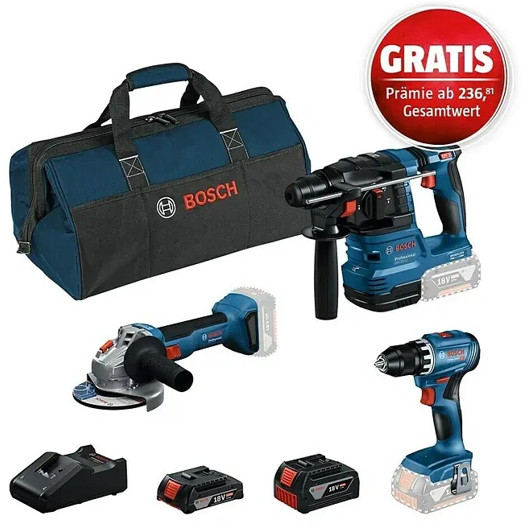
Table 2: Industry Applications of Machine Set
| Industry | Application |
|---|---|
| Production | Part production |
| Food Processing | Automated packaging |
| Healthcare | Sample testing |
| Building | Heavy lifting and excavation divvying |
| Fabric Industry | Production of intricate garment styles |
Advantages of Machine Set
Embracing a machine set setup can translate into numerous advantages for organizations, including:
Increased Efficiency: Machine sets can significantly streamline procedures, allowing numerous tasks to be completed all at once.
Cost Savings: By enhancing performance, companies can lower labor expenses and increase output, causing lower production costs overall.
Improved Accuracy: With adjusted machines working together, the potential for human mistake is minimized, leading to greater quality outputs.
Minimized Downtime: Properly set devices can run continuously, which decreases the likelihood of unanticipated breakdowns and upkeep requirements.
Versatility: Machine sets can frequently adjust to different jobs and outputs, making them flexible tools for changing demands.
Difficulties of Machine Set
Despite the many benefits, there are obstacles associated with machine set configurations:
Initial Investment: The setup costs can be substantial, specifically for little to medium-sized business.
Complex Maintenance: A machine set configuration might need specialized maintenance that can be challenging to satisfy, depending on the equipment included.
Training Requirements: Operators need appropriate training to effectively manage and operate machine sets, which can require devoted resources.
Combination Issues: Achieving smooth communication among various machines can be intricate, leading to possible delays and ineffectiveness if not handled well.
Best Practices for Setting Up a Machine Set
To take full advantage of the advantages of a machine set, organizations must think about the following best practices:
Perform a Needs Assessment: Determine the specific requirements of the assembly line to select ideal devices and tools.
Buy Quality Equipment: High-quality machines normally carry out better and have longer life expectancies, providing a better roi.
Ensure Alignment and Calibration: Regular checks must be conducted to keep accuracy and performance throughout the machine set.
Implement Training Programs: Regular training for operators and maintenance staff can assist minimize mistakes related to human factors.
Adopt Monitoring Systems: Invest in digital tracking systems to provide real-time data on performance and assistance preemptively recognize concerns.
Table 3: Best Practices for Machine Set Configuration
| Best Practice | Description |
|---|---|
| Needs Assessment | Identifying production requirements |
| Quality Equipment | Investing in trusted machinery |
| Alignment and Calibration | Routine checks to maintain precision |
| Training Programs | Continuous education for personnel |
| Keeping track of Systems | Real-time performance tracking |
Often Asked Questions (FAQ)
Q1: What is the primary function of a machine set?A1: The
primary function of a machine set is to set up machinery in a manner that enhances performance and efficiency in a particular job or series of tasks.
Q2: How does a machine set vary from specific machines?A2: While specific devices can carry out specific tasks, a machine set comprises numerous devices interacting collaboratively to finish intricate procedures. Q3: What markets gain from machinesets?A3: Machine sets are common in different
markets such as manufacturing, healthcare, food processing, construction, and textiles. Q4: What are the common challenges related to machinesets?A4: Common obstacles include high preliminary setup costs
, intricate maintenance requirements, training requirements, and possible integration issues. Q5: How can companies make sure effective machine set performance?A5: Organizationscan make sure reliable efficiency by performing requirements evaluations, buying quality equipment, adjusting machines regularly, implementing training programs, and utilizing tracking systems. The idea of machine set is essential to enhancing effectiveness in various industries, equating into higher efficiency, expense savings, and improved quality. By comprehending the elements, advantages, difficulties, and best practices associated with machine sets, companies can utilize this important knowledge to improve their operational abilities. As innovation continues to evolve, the significance of well-integrated machine sets will only grow, making their effective execution an important focus for businesses wanting to prosper in a competitive landscape.
- 이전글You'll Never Guess This Drill Price's Secrets 25.12.23
- 다음글Exploring Free Bonus Casinos: A Guide to Top Online Casinos and Free Casino Bonuses 25.12.23
댓글목록
등록된 댓글이 없습니다.