Engineering Durable Recycled Plastics for Extreme Thermal Environments
페이지 정보

본문
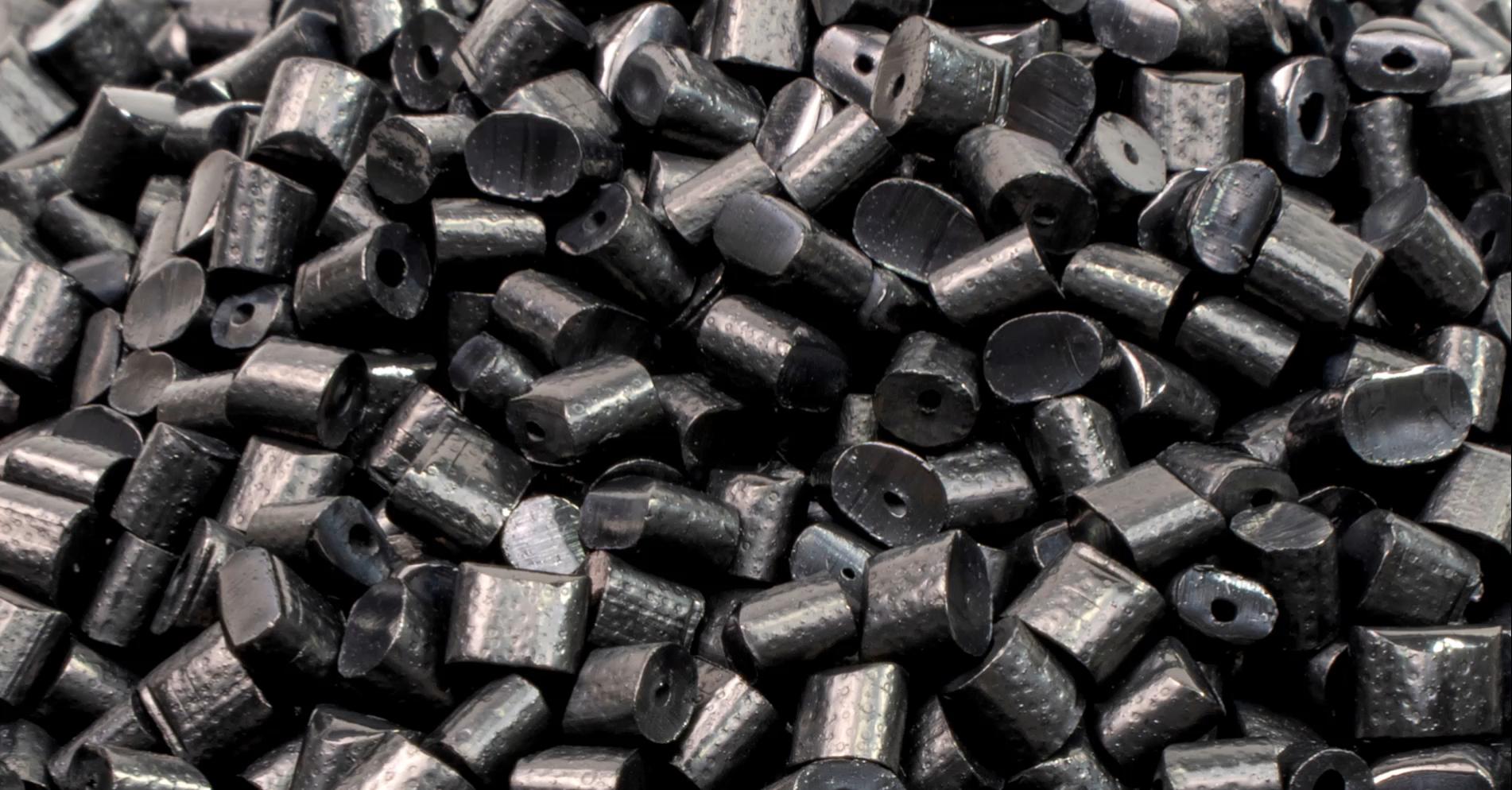
Developing high temperature resistant recycled plastic compounds is becoming increasingly important as industries seek sustainable materials that can perform under demanding conditions. Recycled plastics were often deemed unsuitable for high-performance applications due to their lower thermal stability compared to virgin materials. Breakthroughs in polymer engineering and recycling techniques are transforming the potential of recycled plastics.
The cumulative effect of prior usage and reprocessing severely compromises polymer integrity When plastics are melted and reprocessed, their molecular chains break down, reducing their melting point and mechanical strength. To counteract this, researchers are blending recycled polymers with stabilizers and additives that enhance thermal performance These include antioxidants, heat stabilizers, and nucleating agents that help maintain the polymer structure at elevated temperatures.
Another promising approach is the use of hybrid composites By incorporating wood flour, تولید کننده گرانول بازیافتی ceramic particles, or aramid fibers into recycled plastic matrices, engineers can significantly improve heat resistance and dimensional stability. For example, combining recycled polypropylene with glass fibers has resulted in compounds that can withstand temperatures above 150 degrees Celsius without warping or losing structural integrity.
Precise control over production parameters is essential High-precision melt processing and multi-zone molding including controlled cooling rates and multi-stage melting profiles help preserve the integrity of the recycled material. Some manufacturers are now using real time monitoring systems to fine-tune cooling and shear rates, ensuring reliable batch-to-batch uniformity.
Key sectors are pushing for viable recycled alternatives Automotive, electronics, and appliance manufacturers are looking for sustainable alternatives that can replace virgin engineering plastics without compromising UL ratings or long-term durability. Recycled compounds that meet UL94 V0 flammability ratings and can endure prolonged exposure to heat are particularly sought after.
Collaboration between material suppliers, recyclers, and end users is essential Uniform sorting protocols guarantee high-purity input streams which is vital for producing reliable high temperature compounds. Certification programs are also emerging to verify the heat resistance levels and post-consumer content of these materials, helping buyers make confident procurement decisions.
Significant hurdles persist, including economic viability and collection system gaps the progress made so far is encouraging. These materials have moved from lab prototypes to commercial reality They are becoming industrially deployable alternatives that support both environmental responsibility and industrial performance. As technology continues to evolve, the gap between recycled and virgin materials will narrow making eco-conscious materials the default choice for high-heat applications.
- 이전글The Critical Role of Temperature Control in Preventing Polymer Breakdown 25.12.22
- 다음글Helicopterbooking.org Kallu Prasad Vishwakarma Badaiyan Tola, Ward No. 12, Bihta, Satna, Madhya Pradesh, Pin 485661 25.12.22
댓글목록
등록된 댓글이 없습니다.