Creating Eco-Friendly Products Using Recycled Plastic
페이지 정보

본문
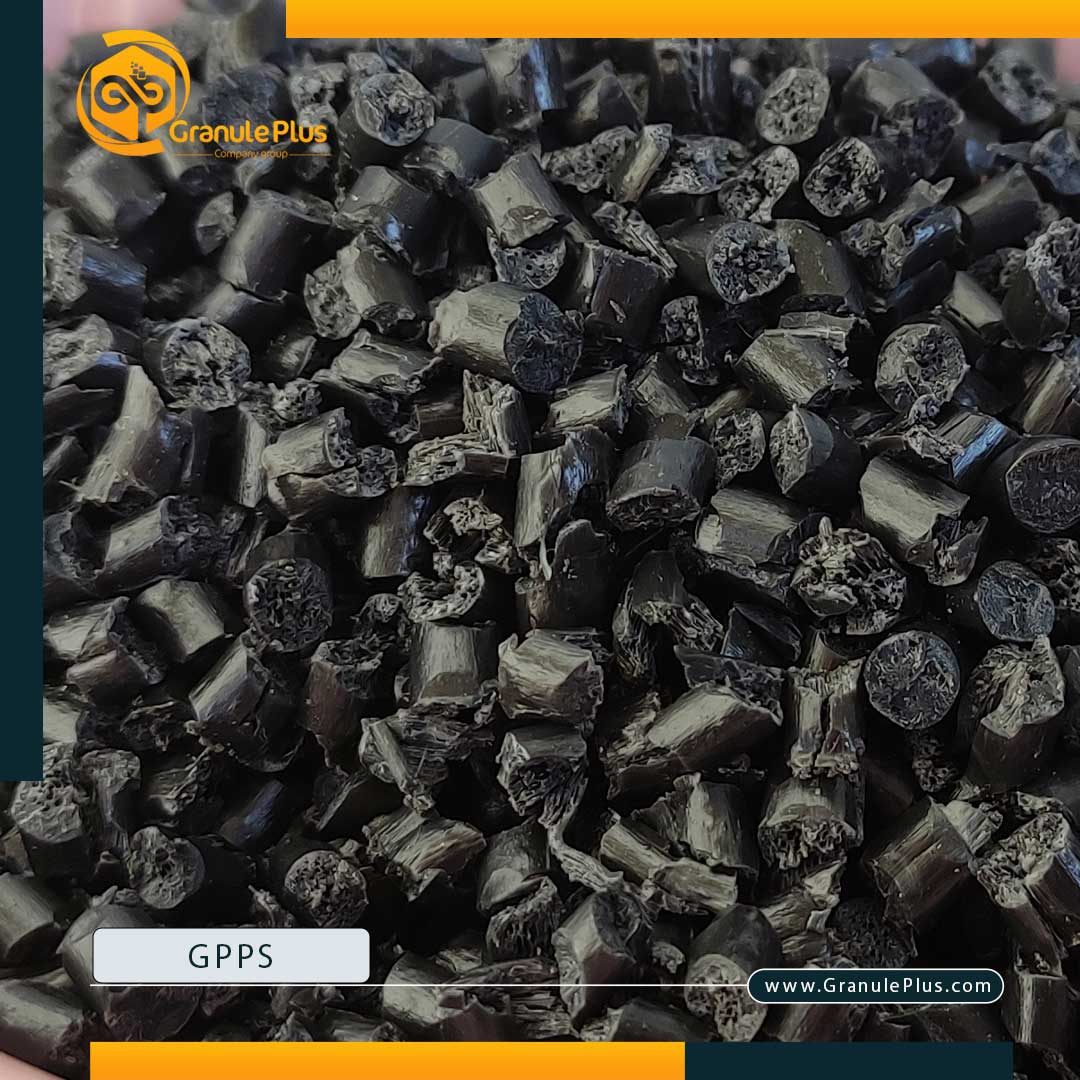
Creating eco-conscious products from reclaimed plastics is now a cornerstone of ethical production
With rising ecological awareness, brands are actively seeking alternatives to new plastic to shrink their environmental impact
Recycled plastics offer a practical solution by giving new life to materials that would otherwise end up in landfills or oceans
However, using recycled content is not as simple as swapping one material for another
Successful implementation hinges on intentional engineering, strategic sourcing, and a nuanced grasp of recycled plastic’s performance boundaries
Ensuring reliable performance is complicated by inherent variability in recycled feedstock
Recycled plastics can vary in quality depending on their source and how they’ve been processed
A bottle collected in one city might have different additives, colors, or contaminants than one from another
To accommodate inconsistency, engineers should design with flexibility in mind, allowing for natural material fluctuations
This often means avoiding overly precise tolerances and designing for function over perfection
Another key consideration is the type of plastic being recycled
Recycled polymers vary widely in durability, safety, and processability
These two resins are widely accepted, stable, and compatible with standard production methods
PVC and blended plastics often contain harmful additives, degrade faster, or complicate recycling loops
Matching material properties to product requirements is critical for success
For example, a reusable water bottle might use food grade recycled PET, while a garden tool could use a more rugged recycled HDPE blend
Durability is also critical
Consumers expect products to last
Strengthening should come from intelligent form, not excess material
Innovative shaping—such as ribbed surfaces or interlocking components—delivers strength efficiently
Color is another area where innovation is needed
Sorting alone rarely yields consistent color outcomes
Many forward-thinking companies are turning imperfection into a selling point
Natural color palettes, flecked textures, and gradient effects communicate eco-credentials while minimizing chemical use
A circular mindset must guide every decision
It must be engineered for disassembly and reprocessing
Avoiding adhesives, mixed materials, and non-removable parts streamlines recovery
Using one polymer type maximizes recyclability
Packaging elements must not contaminate the recycling stream
Clear labeling helps consumers know how to properly dispose of the item
Success depends on cross-sector partnerships
Engaging with processors and waste handlers reveals practical constraints and opportunities
Availability of quality feedstock remains inconsistent across geographies
Local sourcing reduces transportation emissions and supports community recycling efforts
Honest communication fosters consumer loyalty
They seek authenticity, not just green claims
Detailed provenance transforms a product into a statement of accountability
Transparency elevates design beyond utility into purpose
Every step forward counts
Every product that replaces virgin plastic with recycled content reduces demand for new resources and keeps waste out of ecosystems
By prioritizing function, honesty, and circular thinking, تولید کننده کامپاند پلیمری designers can create goods that are not only better for the planet but also resonate with a growing number of conscious consumers
- 이전글Mechanical Behavior of Virgin and Recycled Plastic Granules: A Direct Comparison 25.12.22
- 다음글Play m98 Online casino Online in Thailand 25.12.22
댓글목록
등록된 댓글이 없습니다.