How 3D Knitting Is Cutting Textile Waste
페이지 정보

본문
3D knitting technology is revolutionizing the way clothing and textiles are made by significantly reducing waste in the production process. Traditional textile manufacturing relies on cutting patterns from bolted fabric and assembling them by hand, 3D knitting produces full garments in one continuous process from spool to finished product. This means there is little to no leftover material, since the machine knits only what is needed for the final product. Traditional methods often waste between 15% and 20% of raw material, but with 3D knitting, waste is reduced to under 1%.
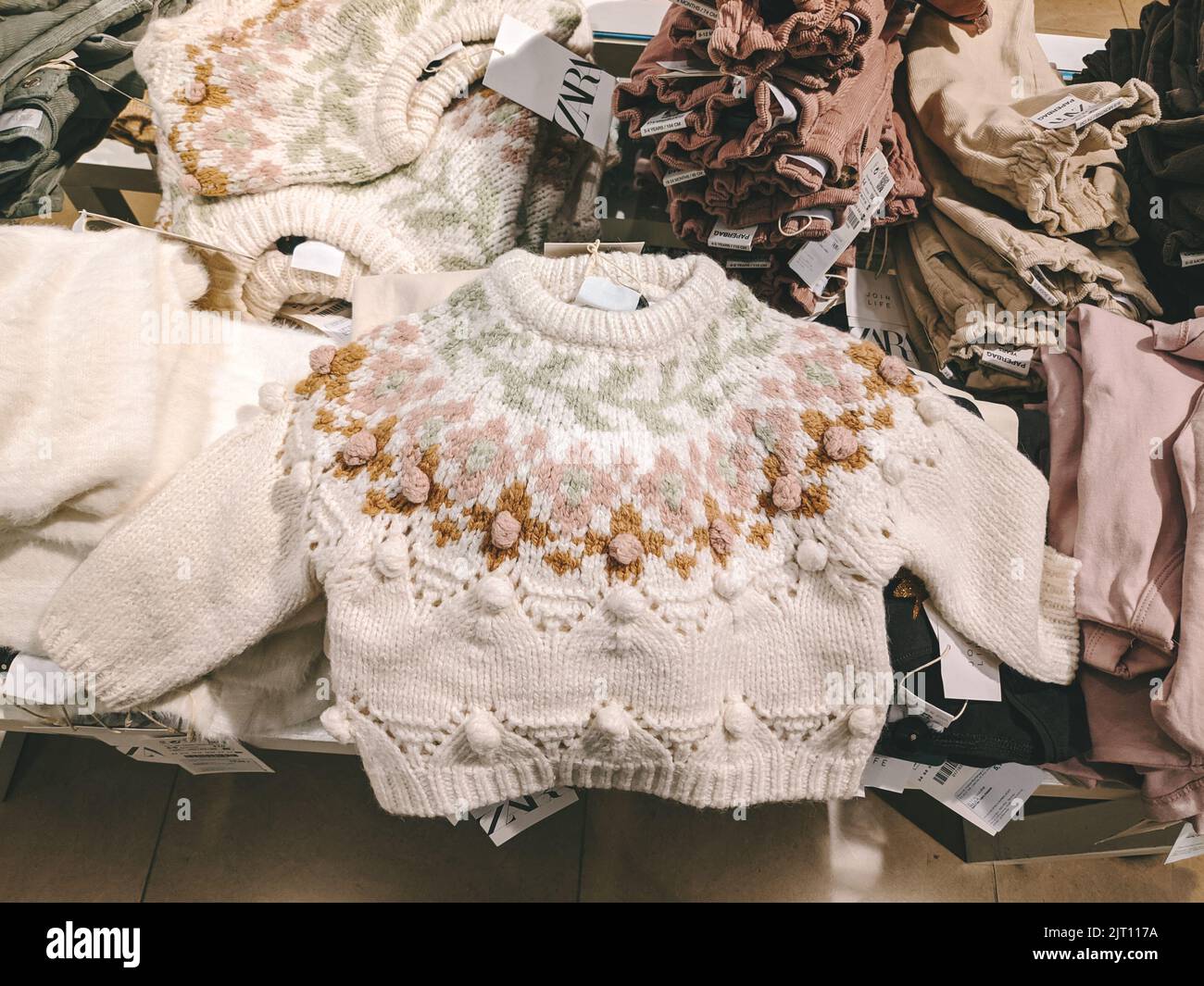
Reducing fabric scrap has far-reaching ecological and economic advantages—it also lowers production costs and Cotton-like sweater streamlines supply chains. Less fabric waste translates to lower costs in logistics and disposal. Brands using this technology can respond more quickly to demand because they are not tied to stockpiled cut patterns or mass production schedules. Each piece can be uniquely tailored as garments are knitted to precise customer specs without generating excess material.
Moreover, 3D knitting supports sustainable practices by enabling the use of recycled and biodegradable yarns. Because of its ultra-accurate deposition, fragile or high-cost materials are utilized without waste, making it easier for companies to adopt eco-friendly materials without increasing waste. The technology also reduces energy consumption by removing the need for post-knitting assembly operations that are common in traditional garment making.
With rising public concern over fashion’s ecological footprint, it presents a realistic solution for sustainable fashion. It aligns with circular economy principles by minimizing resource use and maximizing output efficiency. While the initial investment in 3D knitting machines can be high, the long-term benefits in waste reduction, labor savings, and sustainability make it an growing choice for innovative fashion labels.
The future of fashion lies in smarter, cleaner production methods and it stands as the pioneer of sustainable garment production. By knitting garments one stitch at a time with precision and purpose, it shows elegance and responsibility can coexist seamlessly.
- 이전글How to Interpret Cognitive Test Results 25.12.15
- 다음글The Hidden Toll of Dementia on Families 25.12.15
댓글목록
등록된 댓글이 없습니다.