Best Practices for Digitally Archiving Printed Materials
페이지 정보

본문
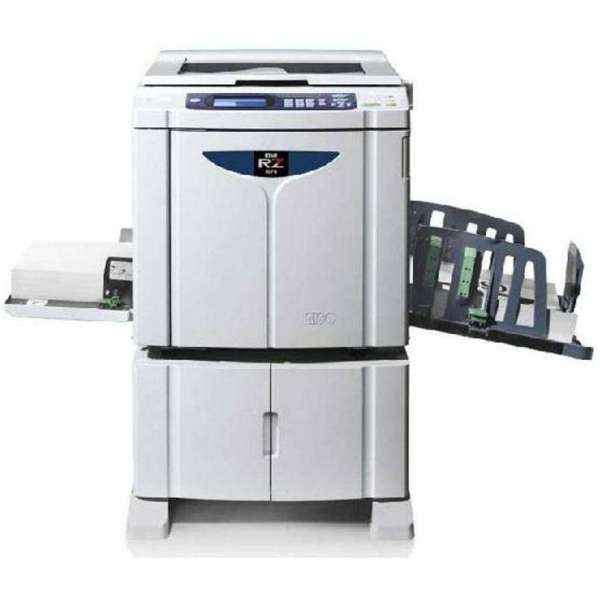
To properly convert paper records into digital format start by organizing your physical documents in a logical order before scanning. Doing so makes it easier to sort and label digital files later. Use a flatbed scanner with a resolution of at least 300 dpi for standard documents and 600 dpi for documents with fine details like photographs or handwritten notes. Always scan in color unless the content is strictly black and white, as color captures nuances that may be important for context or ریسو historical value.
Name your digital files consistently using a clear, descriptive format. Add the year-month-day, topic, and document category such as 2020 05 15 Annual Report Final. Steer clear of symbols and blank spaces in file names; use underscores or hyphens instead. Store files in a folder structure that mirrors your physical organization, so you can easily navigate and locate documents later.
Following digitization review each file to ensure the image is clear, properly aligned, and free of shadows or dust. Employ photo editing tools to crop, rotate, or adjust brightness if needed, but avoid over editing. Preserve the unedited scan as your master copy and make edits on a copy.
Choose universally compatible file types like PDF for documents and TIFF for archival, JPEG for web for images. PDF is the best choice for bound or multi-sheet documents because it preserves layout and allows for text searchability if you use OCR software. OCR technology can convert scanned text into searchable and editable text, making your archive much more functional. Run OCR on all text-based documents, but review the converted text manually, as OCR can make errors with old fonts or faded ink.
Create redundant copies across multiple storage systems. Use a local drive plus encrypted cloud storage. Test your backups periodically to ensure they can be restored. Track iterations with version management for documents that are updated over time, so you retain a history of changes.
Document your archiving process with a simple log that includes scan date, resolution, software tools, and physical state remarks. This log helps future users understand the context and quality of the digital files.
Prioritize inclusive design. Make sure your digital archive can be used by people with visual impairments by including alt text for images and validating PDF structure for screen readers. This not only broadens usability but also supports long term preservation standards.
The goal of digital archiving is more than storage efficiency—it’s about preserving history, ensuring access, and protecting against loss. Investing in proper procedures means your documents will remain useful for years to come.
- 이전글phim sex hang dau viet nam 25.12.19
- 다음글บาคาร่า 25.12.19
댓글목록
등록된 댓글이 없습니다.