A Step-By Step Guide To Cooker Hood Extractor
페이지 정보

본문
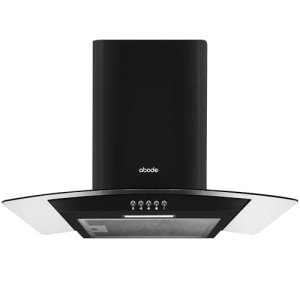
The Essential Guide to Cooker Hood Extractors: A Homeowner's Companion
When creating a kitchen, one crucial aspect typically ignored is the cooker hood extractor. This appliance is not simply a practical necessity; it can elevate your kitchen's design while substantially improving air quality. This post will explore the value of cooker hood extractors, explore different types readily available, and discuss their benefits, setup, and upkeep.
What is a Cooker Hood Extractor?
A cooker hood extractor, typically referred to merely as a hood or extractor, is a kitchen appliance set up above the stovetop. Its primary function is to remove air-borne grease, smoke, steam, and odors created during cooking. By effectively venting these pollutants outside or filtering them for recirculation, a cooker hood preserves a tidy cooking environment.
The Importance of a Cooker Hood Extractor
Improved Air Quality
Cooking produces various toxins that can cause poor indoor air quality. A cooker hood extractor gets rid of these impurities, preventing them from distributing throughout the home. Excellent air quality is necessary for breathing health and overall well-being.
Improved Kitchen Comfort
Cooking can generate heat and humidity that makes the kitchen unpleasant. A reliable hood extractor assists dissipate heat and moisture, developing a more enjoyable cooking environment.
Defense for Interior Surfaces
Grease and smoke can choose kitchen surface areas, causing unclean and sticky countertops, cabinets, and walls. A cooker hood extractor helps in reducing these deposits, prolonging the life of your kitchen surfaces.
Aesthetic Enhancement
Modern Cooker Hood (official www.lynnseabolt.top blog) extractors can be found in numerous designs, making them a trendy addition to any kitchen. From smooth stainless-steel to customized cabinetry styles, the ideal hood can enhance your kitchen's total visual.
Potential Increased Home Value
A well-chosen cooker hood extractor can increase the value of your home by boosting both performance and style. Property buyers often try to find kitchens geared up with modern devices, which can cause a quicker sale and potentially a greater rate.
Types of Cooker Hood Extractors
When selecting a cooker hood extractor, homeowners can select from different types based on their kitchen design and cooking habits. Below is a detailed list outlining these types:
| Type | Description | Pros | Cons |
|---|---|---|---|
| Wall-Mounted | Set up on the wall above the stove. | Space-saving, ideal for small kitchens. | Needs wall area, restricted height. |
| Under-Cabinet | Installed beneath kitchen cabinets. | Discreet, easy setup. | May reduce cabinet area. |
| Island Hoods | Hung from the ceiling above an island cooktop. | Statement piece, suitable for open layouts. | Needs ceiling height and support. |
| Downdraft | Withdraws when not in usage, set up within the countertop. | Sleek design, inconspicuous. | Less reliable for bigger ranges. |
| Chimney Hoods | Features a chimney that vents to the outside. | High performance, perfect for heavy cooking. | Requires substantial installation work. |
Selecting the Right Cooker Hood Extractor
When choosing the ideal cooker hood extractor, several factors ought to be considered:
Size and Compatibility: Ensure the size of the hood matches your cooktop. It should be at least as wide as the cooking surface for optimum performance.
Extraction Power: This is determined in cubic meters per hour (m ³/ h). A greater extraction rate is needed for bigger cooking locations or heavy cooking designs.
Type of Ventilation: Decide in between ducted (venting air outside) and recirculating (filtering air and returning it) hoods based upon your kitchen layout.
Noise Level: Most hoods produce sound, determined in decibels (dB). Select a design with a low dB rating for quieter operation.
Style and Style: The hood must complement your kitchen's visual. Consider surfaces and designs that match your overall style.
Installation and Maintenance
Setup
Correct installation is vital for the efficiency of the cooker hood extractor. It is generally suggested to employ a specialist who can ensure it is installed firmly and vented correctly. The height from the cooking surface ought to generally be:
- 65-75 cm for electrical cooktops
- 75-85 cm for gas cooktops
Upkeep
Routine upkeep makes sure the longevity and efficiency of the cooker hood. Here are some necessary tips:
Clean Filters Regularly: Metal filters ought to be washed each month. Grease filters might require more frequent cleaning depending upon usage.
Inspect Ventilation Ducts: Inspect ducts every 6 months for grease buildup. Clean as necessary to make sure smooth air flow.
Clean Down the Surface: Stainless steel and other surface areas should be cleaned down frequently to maintain look and avoid residue accumulation.
Change Filters: Charcoal filters ought to be changed every 6-12 months if you have a recirculating model.
Frequently Asked Questions About Cooker Hood Extractors
Q1: Is a cooker hood extractor essential for every single kitchen?
Yes, a cooker hood extractor is highly suggested for every kitchen, specifically if you delight in cooking often. It enhances air quality, comfort, and cleanliness.
Q2: How do I understand what size cooker hood to purchase?
Pick a cooker hood that is at least as wide as your cooktop. The perfect height has to do with 65-85 cm above the cooking surface area.
Q3: Are ducted hoods better than recirculating hoods?
Ducted hoods are normally more powerful and reliable at eliminating cooking odors and moisture, as they vent air outside. Recirculating hoods can be ideal for homes where ducting is not possible.
Q4: Can I install a cooker hood myself?
While some homeowners might try DIY installation, it is suggested to work with an expert to make sure proper setup and venting, specifically for ducted models.
Q5: How frequently should I clean my cooker hood extractor?
Metal filters ought to be cleaned up monthly, while charcoal filters require to be replaced every 6-12 months, depending on usage.
A cooker hood extractor is an important part of any modern kitchen. From improving air quality to enhancing aesthetic appeal, its benefits are manifold. By selecting the right type, ensuring correct installation, and committing to regular upkeep, homeowners can take pleasure in a cleaner, healthier, and more enjoyable cooking environment for years to come. Whether cooking day-to-day meals or preparing for unique events, the right cooker hood extractor makes all the distinction.
- 이전글789bet login app thailand 25.12.25
- 다음글free code 789bet 25.12.25
댓글목록
등록된 댓글이 없습니다.