Practical Tips to help Patients Optimize Glucose Monitoring
페이지 정보

본문
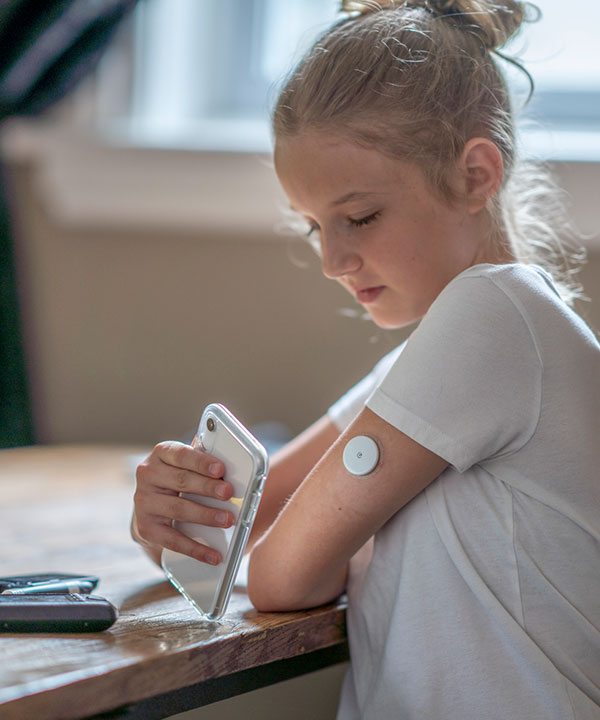 Glucose monitoring is foundational to diabetes self-management, however its effectiveness is dependent upon how effectively patients understand and apply monitoring rules. Whether patients are utilizing blood glucose meters (BGMs) or steady glucose monitoring (CGM) techniques, the next up to date, evidence-based ideas might help healthcare providers educate and empower their patients to benefit from their monitoring instruments. These methods intention to enhance accuracy, comfort, consistency, and clinical outcomes. Monitoring with out meaningful targets can result in confusion or disengagement. Work with patients to ascertain practical, actionable objectives that guide each how and after they monitor. These targets should prolong beyond glucose targets to include frequency, timing (e.g., pre-meal, bedtime), and acceptable responses to readings. Encourage patients to tie glucose monitoring to their everyday decisions, reminiscent of insulin dosing, meal planning, and physical activity. For patients using CGMs, this may increasingly embrace objectives related to Time in Range (TIR), Time Below Range (TBR), and Time Above Range (TAR).
 Using Smart (Specific, Measurable, Achievable, Relevant, Time-certain) goals can improve accountability and clarity. A glucose number without context provides limited insight. Patients profit vastly from monitoring the behaviors and circumstances that affect their glucose levels. Many glucose monitoring units supply integrations with cell apps or desktop platforms that make it straightforward to log these components robotically or manually. For these less inclined to use technology, pen-and-paper tracking remains a legitimate and useful technique. Tip for HCPs: Ask patients to convey contextualized logs or digital summaries to appointments. Tools corresponding to LibreView, Dexcom Clarity, Enhance-d Dashboard, LilyLink, Omnipod Display, Glooko, SweetSpot, and Tidepool can facilitate collaborative reviews. Patients usually benefit from reviewing their glucose knowledge at regular intervals-preferably weekly or biweekly. Encourage them to segment information by time of day, such as pre-meal, put up-meal, overnight, or around exercise, to uncover tendencies and patterns. Pattern administration, particularly with CGM customers, may help differentiate between persistent issues and one-off fluctuations. During workplace visits, review AGP (Ambulatory Glucose Profile) stories or similar visible summaries with patients to identify actionable tendencies.
Limit suggestions to one or two manageable modifications per go to. Tip for HCPs: Make use of trend arrows and glucose variability knowledge when serving to patients interpret their CGM outcomes. Monitoring adherence improves when it is simple, comfortable, and at-home blood monitoring suits seamlessly right into a patient’s routine. Some patients profit from having multiple meter-e.g., one at work, one at residence-to reduce inconvenience. For CGM users, train correct sensor placement, the significance of heat-up occasions, and what to do within the case of sign loss or adhesion failure. Accurate readings are essential to good diabetes administration. Understand the affect of physiological "lag time" between interstitial and blood glucose, especially throughout rapid glucose adjustments. Even well-informed patients can face conditions that require professional guidance. Encourage patients to achieve out once they discover patterns or problems that fall outdoors their usual expertise. Early intervention can prevent complications and assist confidence in self-management. Tip for HCPs: Let patients know it’s higher to verify in early than to attend too long. Consider offering a transparent communication plan for how and when to contact your workplace or the office of a specialist or other supplier (e.g., telephone, patient portal, secure message) and what types of knowledge to share after they do.
A chemoreceptor, also called chemosensor, is a specialised sensory receptor which transduces a chemical substance (endogenous or induced) to generate a biological sign. In physiology, a chemoreceptor detects modifications in the conventional atmosphere, reminiscent of an increase in at-home blood monitoring levels of carbon dioxide (hypercapnia) or a decrease in blood ranges of oxygen (hypoxia), and transmits that information to the central nervous system which engages physique responses to restore homeostasis. In micro organism, chemoreceptors are essential in the mediation of chemotaxis. Bacteria make the most of complex lengthy helical proteins as chemoreceptors, allowing signals to travel long distances across the cell's membrane. Chemoreceptors enable micro organism to react to chemical stimuli in their setting and regulate their movement accordingly. In archaea, transmembrane receptors comprise solely 57% of chemoreceptors, while in micro organism the percentage rises to 87%. This is an indicator that chemoreceptors play a heightened function within the sensing of cytosolic signals in archaea. Primary cilia, current in lots of types of mammalian cells, serve as cellular antennae.
- 이전글40+ Best Australian Online Casinos for Real Money in December, 2025 25.12.29
- 다음글บาคาร่า 25.12.29
댓글목록
등록된 댓글이 없습니다.